The complexities of the CIS region are often hotly discussed and debated in the industry, as many companies are faced with barriers when it comes to doing business in the region, but MEPL International, a founding member of NSRN, sees this as a challenge worth solving. In our conversation with Sunita Bhambhani Shah, Overseas Director of MEPL, we learn how the company turns hurdles into opportunities and develops unique products and solutions to reach the far corners of the CIS and beyond.
We discuss Sunita’s passion for studying different markets and navigating gate-kept secrets, thereby venturing into regions that remain challenging to many. Furthermore, she discusses the process of selecting the best routes in CIS, their growing interest in the movement of marine and oil products, and their interest in Eastern Europe and Africa.
NSRN: In our last interview, back in 2021, we went into a deep dive of MEPL’s history, its capabilities as an established Projects Logistics company, your personal ethos, and how it reflects in your company and your work. Over the last few years, what aspects of MEPL have evolved, and what are you presently focused on?
Sunita: Back in 2021, we were just emerging from the challenges due to COVID. Then, the challenges were much different, but there was still a lot of potential. By 2022-2023, the market had improved, making it a promising time for the logistics industry. Since then, we have expanded our market and created new products. Earlier, we considered ourselves UAE-based, but now we have expanded beyond those horizons and entered other markets, including the CIS, Europe, and other GCC countries. In addition, MEPL now offers multimodal transport as a comprehensive solution for our clients. I will touch more on these as we continue our chat. We have seen ample opportunities since 2021, and we are continuing to bolster our services.
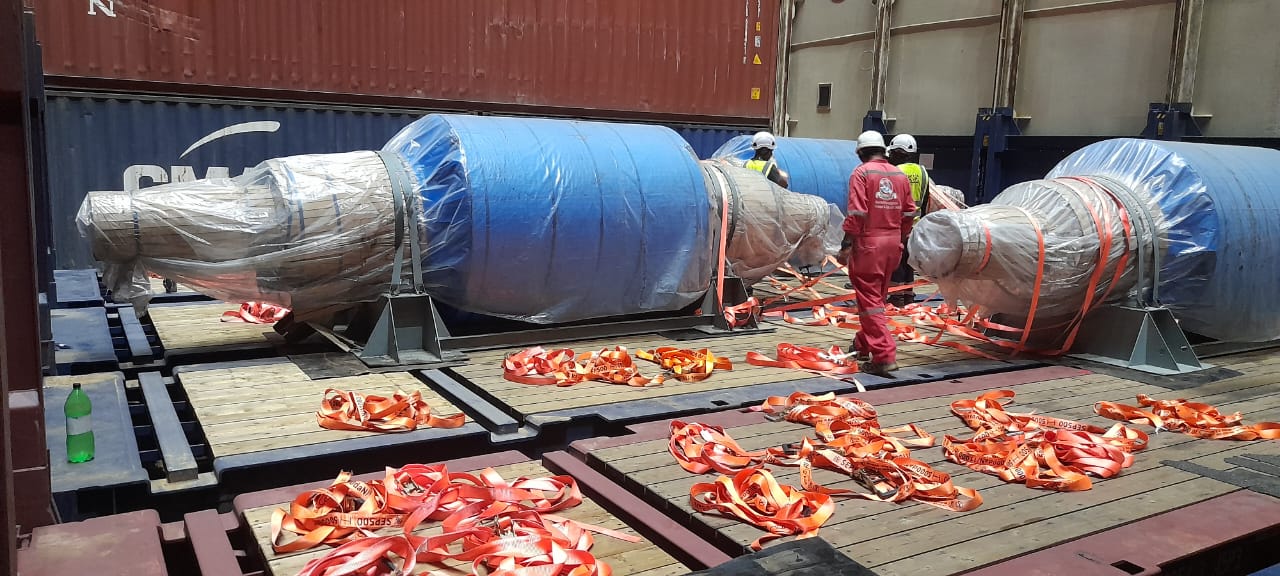
(Picture Credit: MEPL International)
NSRN: MEPL has also recently started operating from Almaty, Kazakhstan. Tell us what motivated you to explore this logistics hub, and what your expectations are from it?
Sunita: This has been an interesting project for me, predominantly because I love to study markets. As the world goes through its ups and downs of war and uncertainties, trade suffers with it, and since that is linked to logistics, our industry gets impacted too. Thus, studying the markets helps to stay prepared and keep an eye on the solutions.
At that time, I was actually conducting a market study on CIS countries. It started with Georgia and I thought it to be a good entry point into the CIS region. But in 2022, at the NSRN AGM in Dubai, Ziwei, Zauresh, and I were having breakfast when we started talking about this. Of course, there are members from China and Europe in the network, and as it expanded into the CIS region, Kazakhstan stood out to me. So NSRN and MEPL decided to venture into the Kazakh market and we took a trip together to the country to research its nitty-gritties. We met many people together and made some very solid connections.
Eventually, we managed to hire a representative for MEPL in Kazakhstan. She came to Dubai and we trained her as she was not from the logistics industry, however it is remarkable how easily she picked up the nuances of this industry. So far, we are working with partners in Almaty, but we hope to have customers soon as well. Throughout 2024 and into 2025, the majority of my work focused on strengthening these partnerships, but we began to see a gradual shift. Developments in the oil and gas sector, along with marine activity on the Caspian Sea, created new opportunities. This prompted us to explore regions such as Aktau and Atyrau, where many marine, oil and gas companies are based. These efforts proved successful, and through multiple visits and on-the-ground exploration, several new avenues opened up.
As a result, we decided to establish a local office in Kazakhstan. We are working closely with a local partner to open the office, and while operational planning is complete, we are still navigating regulatory, taxation, and compliance requirements, which are known to be complex in the country. This groundwork is particularly important as we are developing several promising projects for 2026 and want to ensure that administrative matters do not come in the way of execution.
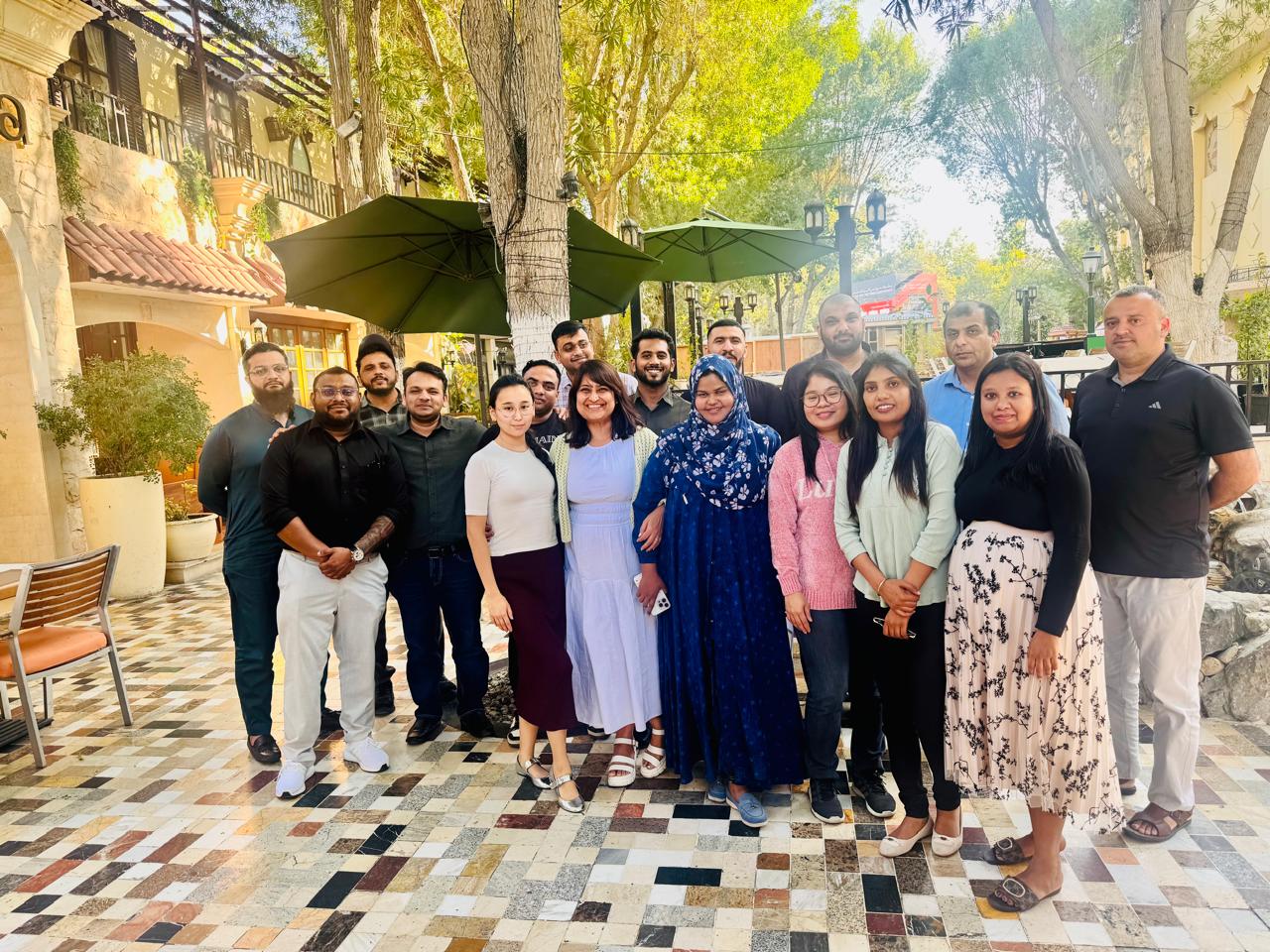
(Sunita Bhambhani Shah with MEPL Team. Picture Credit: MEPL International)
We also understand that Kazakhstan is the largest economy in Central Asia, and holds substantial reserves of oil, gas, and minerals. While agriculture and manufacturing are less developed, economic diversification and business development are gaining momentum. Cities such as Kostanay, Shymkent, Astana, and Khorgos are emerging as trade hubs in the CIS. Moreover, the country’s geographic and economic connectivity allows it to serve as a strategic link to other markets where we are already active, including Uzbekistan, Kyrgyzstan, Georgia, and Azerbaijan. Having a presence in Kazakhstan enables us to manage our business much more efficiently across these countries. We have now also hired an individual in the Uzbek market and will do the same in Georgia and Russia.
NSRN: As you mentioned, Kazakhstan is also critical to the oil and gas industry, which intersects directly with MEPL’s niche. How has the process of competing in the Kazakh market been different from the project logistics that you undertake in the Middle East?
Sunita: The Kazakh market is completely different from the Middle East market. Until now, we considered the subcontinent and the GCC countries as our core market. But now we have a presence in Kazakhstan, Uzbekistan, and Kyrgyzstan, and all the way to Russia. Russia, in particular, was added as a market in 2025 and has performed very strongly. In Russia, we handle both direct air freight and multimodal solutions, making it a significant area of growth for us.
When we compare regions, each operates very differently from the others, and each presents a unique set of challenges. Logistics in the CIS is especially complex due to difficult geography and infrastructure constraints restrictions and there is never a simple, singular solution. For example, moving cargo to Atyrau or Aktau on the Caspian Sea can be routed through multiple corridors; options include transiting via Turkey, Georgia, or even China, or crossing the Caspian Sea directly. The Caspian Sea route is often faster, more efficient, and more economical than others. When shipping from the subcontinent, we tend to lean towards the Caspian Sea route, and for cargo originating from Europe, it is moved into CIS countries via road, rail, or Eastern European hubs.
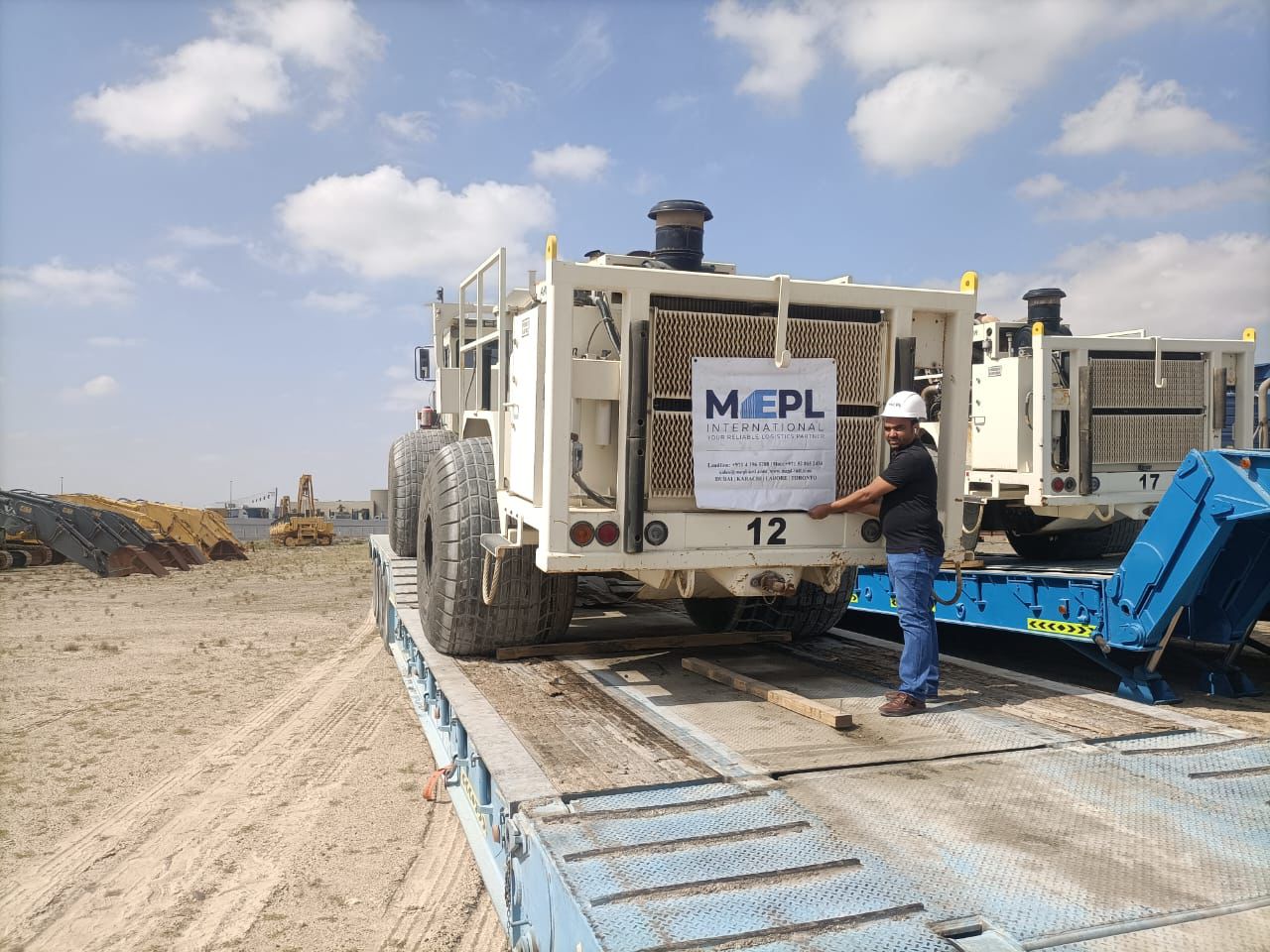
(Picture Credit: MEPL International)
What makes the region particularly interesting is that there is no one-size-fits-all solution. Each shipment requires a tailored approach. Looking ahead to 2026, our focus is on offering diversified logistics solutions and differentiated value propositions. Initially, our attention was primarily on imports into the CIS, but in 2025 we successfully tapped into export opportunities from the region as well. These export solutions are comprehensive and, in many cases, represent opportunities that even our CIS partners had not previously explored.
There is also a misconception that the CIS is a “grey zone” due to its isolation and limited visibility into supply chain operations. In reality, it is a highly dynamic and evolving market. One of the key steps we took in 2025 was to strengthen our presence in the CIS and Russia by forming partnerships with strong transport providers at various border crossings. Since many CIS countries are landlocked and require transit through multiple jurisdictions and border controls, these partnerships enable us to offer more secure, reliable, and effective solutions. Another interesting thing about this region is that, while pricing is important, solutions come first. Since complexities vary by country, the solutions must be dynamic, which is precisely what makes the market so compelling.
MEPL thrives on these challenges, complex routes, customised solutions, and difficult markets; these are our expertise, and that’s what differentiates us from other logistics companies.
NSRN: What were some exciting projects of 2025? And what are your expectations for 2026, both for the company and for yourself as the Overseas Director of MEPL?
Sunita: In 2025, we saw an increase in air freight into the CIS, along with a rise in multimodal solutions using different routes and logistics models. In some cases, even we were surprised by the routing options that emerged. We would study maps in detail, especially along the Caspian Sea, to better understand how cargo actually moves across the region. Locations such as Poti or Türkmenbaşy, for example, opened up discussions around whether the Black Sea or the Caspian Sea would be the most efficient routing option. As a result, MEPL’s current focus has increasingly been on countries bordering both the Black Sea and the Caspian Sea. Looking ahead to 2026, this focus will expand further into Eastern Europe, particularly countries along the Black Sea corridor.

(Overseas Director, Sunita Bhambhani Shah. Picture Credit: MEPL International)
Another area where we see strong potential is Africa. We are already observing growing cargo flows from Africa into the CIS and Russia, with Jebel Ali as a critical hub. Cargo originating from South Africa, as well as Kenya and Tanzania, is increasingly routed through Jebel Ali before moving onward to CIS markets and Russia.
When you study product flows, the logistics opportunities automatically become evident. For example, dates move from Saudi Arabia into Russia, while vehicles and other goods move from the CIS into the GCC. Understanding these trade flows allows us to determine where to focus and how to structure our solutions. We handle a wide range of products such as engine oil, perishable goods, chocolates, spare parts, and various industrial components. We are also increasingly involved in moving marine equipment into CIS countries, including modular workstations and customised containerised units equipped with machinery and workspaces, primarily used at marine hubs, rigs, and oil and gas sites. These projects and specialised cargo movements represent a key growth area, and we expect to significantly expand this segment in 2026.
On a personal front, that also ties in with the professional front. Lastly, I will continue to hone my entrepreneurial skills this year, allowing me to contribute towards MEPL's growth as a distinctive logistics provider, continually expanding its capabilities and offering the most curated solutions for our customers.

.svg)
.svg)


