In theory, multimodal transportation is an elegant system in which cargo moves easily from ships and trains to trucks, with each mode playing to its strengths and enabling seamless cargo flow. However, reality paints a different picture. Forwarders and logisticians across the world, be they in Hamburg or Shanghai, will often speak about how challenging the whole ordeal can be. Despite millions of euros (or dollars) in investments in infrastructure and technology at ports and by carriers, weak links emerge, causing congestion and complexity, making the system, as a whole, challenging. 

In this article, we discuss how trucking serves as the “critical link” at port interfaces and the barriers that impede the efficient transport of cargo. Although ports and terminals implement many systems to make last-mile processing smooth, there is a list of “glitches” that forwarders and truckers must reckon with, understand why, and at what point the cargo movement halts so as to avoid any idle time and demurrage.


Drayage Bottlenecks

Drayage, or short-haul trucking, occupies a unique position within supply chains. These short hauls usually connect ports and terminals to warehouses and distribution centers. Often, the efficiency of drayage depends on the type of move that the driver performs. There are many ways in which drivers can move containers. The driver either performs dual transactions, that is, drops one container and picks another one (returning an empty and picking a loaded one), or performs dray-offs by shuttling containers from a congested port to a nearby staging yard, right off the port area. This allows importers to pick up containers from a less crowded area, resulting in shorter turn times and flexible hours.
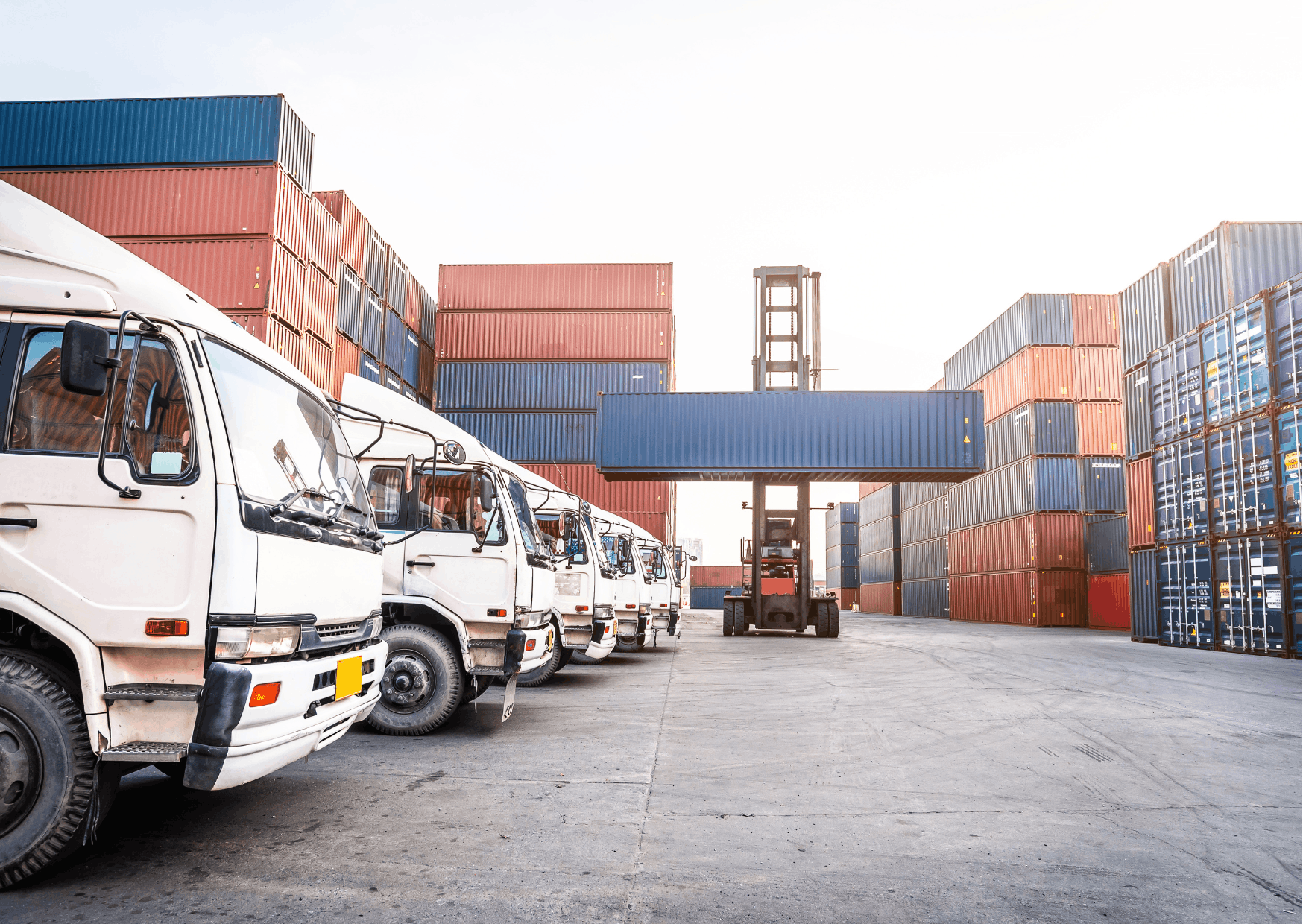
photo

(Trucks at Port)

But the drayage processes are not so simple globally. In Europe, many national regulations exist within a single market. For example, a container moving from Rotterdam to Germany may experience different cabotage rules, working time directives, and emission standards. In 2020, the EU mobility package was adopted to harmonize these varying regulations; however, its implementation across member states has not been properly coordinated. Drivers especially face challenges, including wage imbalances, capacity constraints, and sometimes even changing geography. For instance, a Dutch truck will have to comply with German wage requirements, or Eastern European drivers moving cargo to the west might face load restrictions, or there are sometimes bottlenecks at ports like Hamburg due to a narrow corridor leading to the port.

While Europe faces regulatory challenges, Asian ports, which handle five times as much cargo as European ports, also face their own set of troubles. These high volumes that are regularly handled through state-of-the-art AI-driven yard management systems and automation still rely on traditional short-haul trucking, which tends to be rather emission-intensive, that is, using diesel fuel. Green corridor requirements are affecting drayage in Asia to meet emission standards in urban areas, especially during business hours. This has driven rapid fleet upgrades or the partitioning of fleets into premium (compliant with standards) and restricted (non-compliant) vehicles, thereby creating capacity constraints. Many large Asian ports, especially the Port of Busan, like their European counterparts, also face geographical challenges. Since the port is so large and complicated by geography, terminals are spread across multiple locations, and often containers need to be moved between them. Drivers at the port spend a significant amount of time shuttling between the different port complexes rather than actually hauling cargo to the final destination.


Truck Turn Times and Appointment Systems

Truck turn times, or the time it takes for a truck to complete a transaction, are critical factors to consider when it comes to productivity and efficiency. Ports install robust Truck Appointment System (TAS) that are generally designed to reduce gate activity and time, increase alignment of moving trucks, and reduce overall congestion. However, the TAS systems widely differ in practice from port to port.  
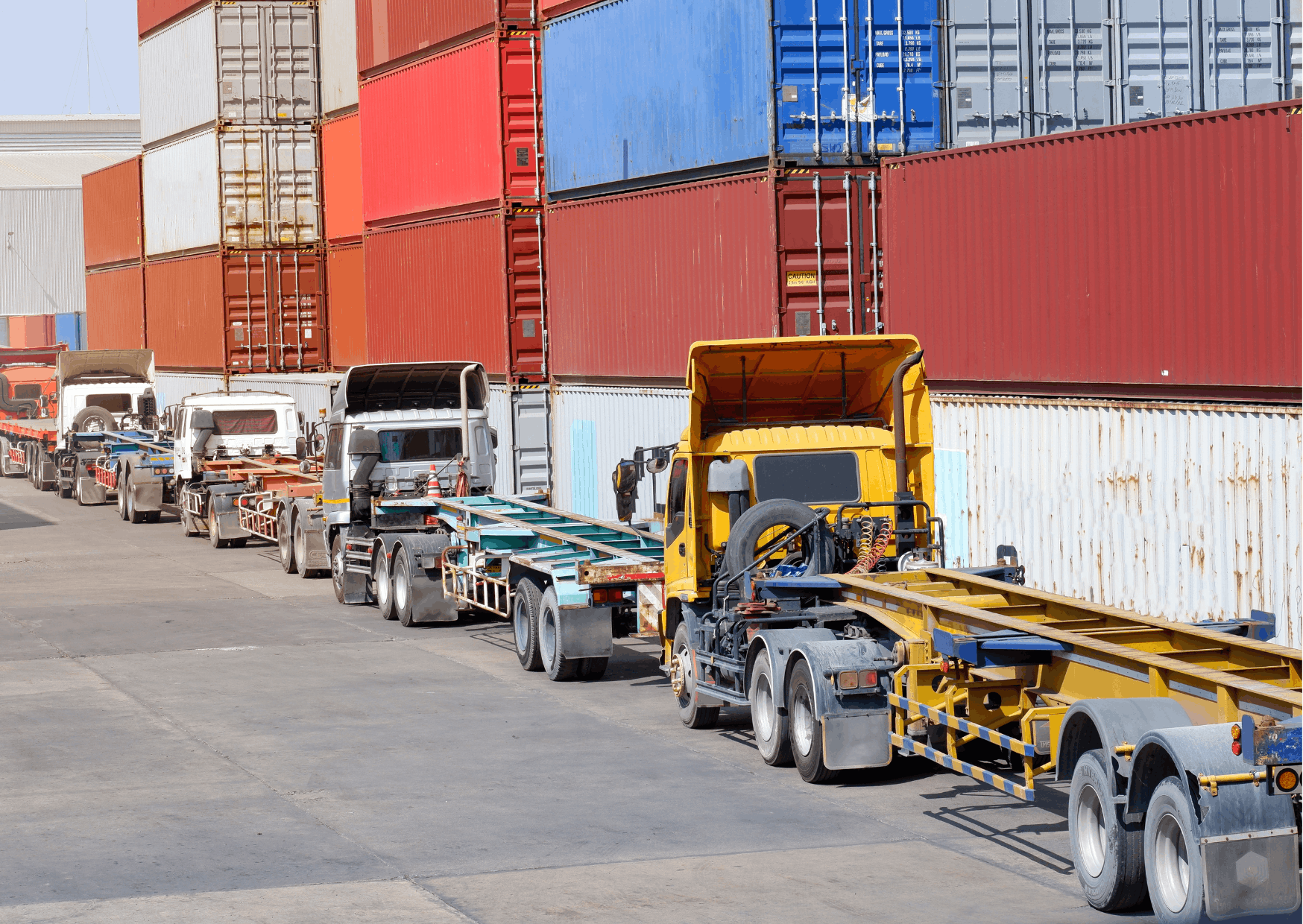
photo

(Trucks ready for Cargo)

Most successful TASs are characterized by transparency, financial incentives, and operational integration. Some ports have implemented reciprocal accountability, which penalizes no-shows and thereby establishes a standard for terminal performance. Through outreach strategies, many ports have also incorporated feedback to optimize their system designs. Predictive analysis and AI models incorporated into the systems have also improved the ability to adjust appointment availability. For example, during large-vessel unloading or rail operations, bottlenecks can cause delays; predictive AI forecasts congestion and automatically schedules appointments, thereby proactively mitigating delays. Other technological developments include real-time data integration, which provides real-time visibility into container status, reducing “dry runs” and improving driver productivity and terminal fluidity.

Despite a functioning TAS, bottlenecks can still occur due to slowing crane productivity or crane availability. Lack of punctuality or no-shows, especially on short notice,  can also cause missed slots that cannot be quickly reallocated, leaving terminal resources underused. The other problem that is often overlooked is that the appointment system provides the ticket to enter, but does not guarantee that the container has been pre-staged and is ready for loading. Many other factors, such as lack of operational coordination, traffic on corridors, and vessel schedule reliability, also hinder the smooth functioning of TAS.


Chassis Shortages and Pooling Systems

The shortage of chassis is often not a lack of physical units, but an issue of circulation and inefficiencies. Usually, there are restrictions or contractual obligations that require the use of specific chassis for different containers, forcing drivers to spend hours searching for the right equipment. In a study conducted by the Maritime Transport Research and Education Center at the University of Arkansas, researchers found that drivers spent 30% of their time searching for compatible chassis, even when dozens of other physically compatible units were readily available in the same yard. Many chassis have also been inactive due to maintenance backlogs.
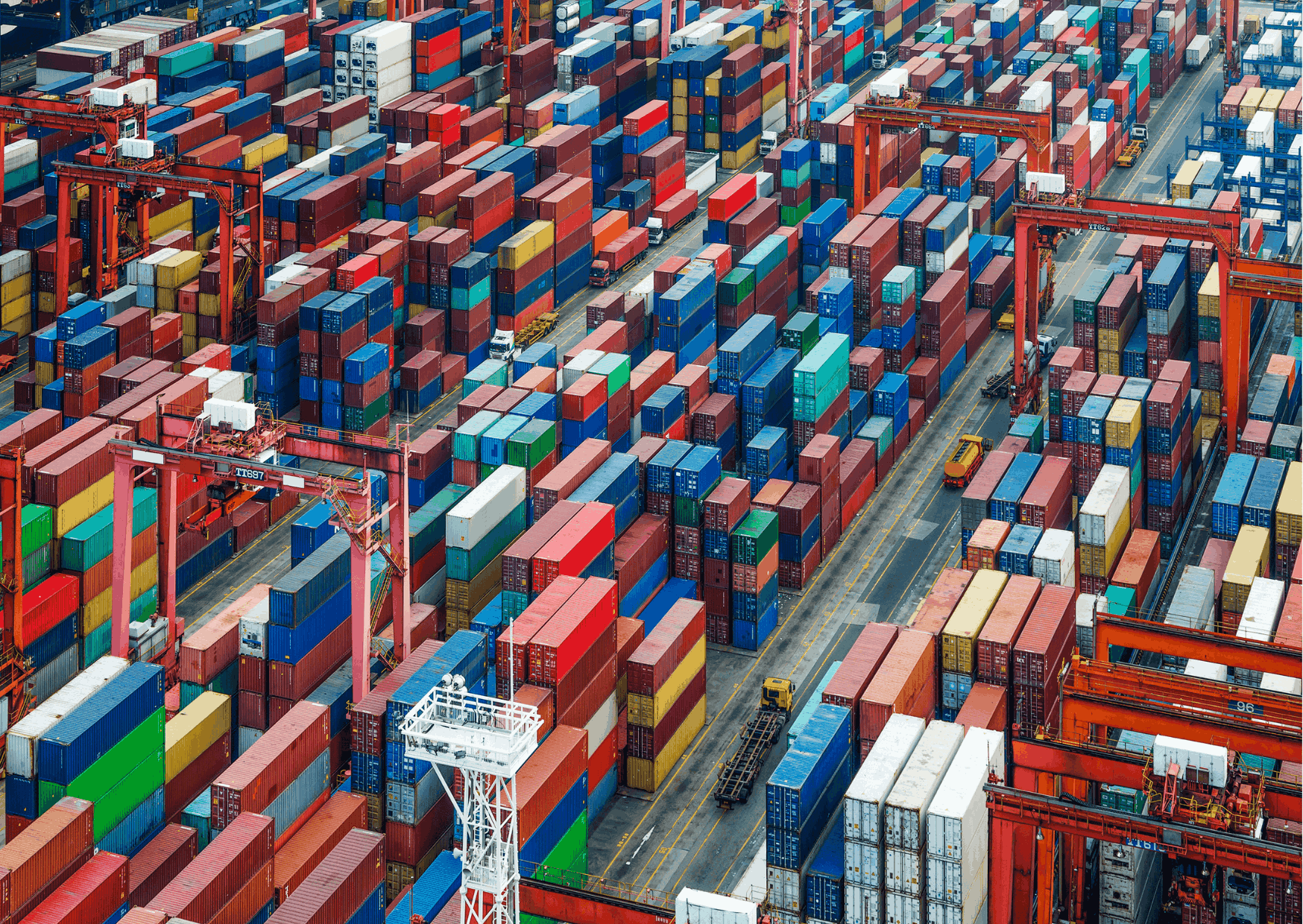
photo

(Container Terminal)

Pooling systems have generally worked to assign equipment more efficiently, and the industry uses a variety of pooling models, such as cooperative, gray, market, and neutral pools. The pooling system allows drivers to use any chassis in the pool regardless of which company owns the lease. The driver makes the choice, and billing occurs on the back end. Although chassis pooling seemed like an elegant solution, there remains certain friction. In some cases, carriers might force truckers to use a specific exclusive Intermodal Equipment Provider (IEP), which is often considered an unreasonable practice. Pooling systems are also rife with billing and data inaccuracies, causing nightmares for trucking companies. Pools have also been known to slack off on maintenance jobs, causing safety concerns for drivers using the chassis, who report road repairs due to malfunctioning brakes or burst tire tubes. Registering a problem with a bad chassis is itself a time-consuming endeavor for drivers on a schedule, who would rather deal with a defective chassis and take risks.

In actuality, truckers and drivers often face not just one of these glitches but a compounded set; thus, understanding the dynamics of the last mile is not optional but a necessity that directly impacts earnings, liabilities, and safety standards. The last mile, the last operation, remains a complex step in the supply chain not only because it is time-sensitive and risk-prone, but also because it involves a patchwork of entities that communicate and rely on one another to get the job done. 


Delivering Resilience: IGS Schreiner Responds to Global Challenges
The Last Mile Glitches: Trucking Cargo Away from the Ports
The Future of Logistics: Elastic and Omnichannel
The Pink Fleet: How GCD Glomb Defines Sustainable Growth
Bearing the Costs: How the Surging Fuel Prices Impact the Logistics Industry
On the Intersection of People and Supply Chain: A Conversation with Airmax Cargo
What Can the Ancient Silk Road Teach Us About Supply Chain Resilience?
Tackling Risks: Forwarders Find Critical Solutions in the Ongoing West Asia Crisis
Contract Logistics and Military Cargo as Strategic Upper Hands: How Langowski Logistics Redefines Its Expertise
S&D Logistics Efficiently Transports Large Pipes From Georgia to Kazakhstan
The Holy Grail of Logistics: The Invention of the Shipping Container
Turning Challenges into Opportunities: MEPL Establishes Itself in The CIS Region
Developing Rail Expertise in Southeast Asia: LEO Global Logistics Offers Insight into Their Multimodal Strategy
Carrying the Tradition Forward: New Silk Road Network’s Hanseatic Heritage
From Single Office to Regional Leader: Blue Bell Shipping’s Growth Journey
Airmax Cargo Budapest Honoured with Freight Forwarder of the Year Award Ahead of 30th Anniversary
CIMC Anda Shun Successfully Completes Multiple AOG Projects Worldwide
CIMC Anda Shun International Logistics Successfully Ships 27 Vehicles via RO-RO Service
Partnership Announcement: Business Solutions Partners
Sponsor Announcement: Alexander Global Logistics as the Coffee Break Sponsor
New Logistics of Kazakhstan: From Transit to Investment Opportunity
Sponsor Announcement: Ocean Bright Logistics Limited as the Lanyard Sponsor
CIMC Anda Shun Expands EU Line with BSA-Controlled Capacity via Etihad Airways
Sponsor Announcement: Korpershoek Warehousing & Forwarding as the Notebook Sponsor
Kato Transport Strengthens International Logistics with New Mongolia Branch and IATA Status
From Inquiry to Impact: The Growth of S&D Logistics’ OOG Operations
IGS Logistics Group Advances Food Logistics Capabilities through Certification and Cold Storage Growth
Sponsor Announcement: MEPL INTERNATIONAL LLC as the Happy Hour Sponsor
RailGate Introduces Biweekly Express Service from Xi’an to Hamburg
GCD Glomb Container Dienst Strengthens European Container Transport with Polish Trucking Focus
Alexander Global Logistics Expands in Bremerhaven with €20M Investment in State-of-the-Art Logistics Center
IGS Showcases Heavy Transport Expertise in Heilbronn Logistics Project
Double Win for CIMC Anda Shun: 2024 Diamond Awards from Polar Air Cargo
CIMC Anda Shun International Logistics Co. Ltd Successfully Executes Another Breakbulk Shipment in China
Alexander Global Logistics Successfully Handles Lumber Shipment via Khalifa Port for a South American Client
Driving Innovation: LEO Global Logistics Expands Rail Freight Capabilities
Alexander Global Logistics Delivers 90-Tonne Transformer with Precision and Innovation
TALOGIS Air & Sea Expands Rail Freight Services with New Xi’an–Hamburg Route
Mission Accomplished: MeerLand Ukraine Delivers Critical Military Equipment to IDEX-2025 Against the Odds
Exploring New Opportunities: Alexander Global Logistics and Abu Dhabi Ports Attend the 2025 Paper & Tissue One Show Together
China NVOCC Container Lines Limited Expands European Connectivity with New Routes and Enhanced Solutions
CFR Carshippers Boosts Logistics Capacity with New Bremerhaven Warehouse
Ringing in The New Year with Success: CIMC Anda Shun International Logistics Kicks Off Year of the Wood Snake with Triple Award Triumph
BOSSI & C. TRANSITI S.p.A. Expands Operations with New a Strategic Logistics Warehouse
Reflecting on 2024: CIMC Anda Shun's Milestones and New Services
HANSEATIC Slovakia Carries Out Meticulous Delivery of Heavy Industry Shipment from Shenzhen to Astana
Anil Mantra Logistix Triumphs in Timely Transport Amid Year-End Challenges
CIMC Anda Shun International Logistics Delivers Successful Shipment from Qingdao to La Spezia
Values, Vision, and Versatility: Inside MeerLand's Logistics Operations
alpha trans Unveils Rebrand to Match Five Decades of Growth
Langowski Logistics Celebrates 20 Years of Success with a Grand Gala
S&D Logistics Successfully Delivers Agricultural Equipment to CIS Countries
CIMC Anda Shun Launches New Cost-Effective Truck-Air Combination Service
Celebrating 12 Years of Success and Looking Forward to Many More: Baltic Consol Line Marks a Milestone
Sunila Yadav of Anil Mantra Logistix Wins the Women in Freight & Cargo Award For 2nd Time
Sponsor Announcement: Orbis LS
Sponsor Announcement: Artlog Lojistik
Scaling Up on The Road: Ostsped Logistics' Growth in the European Logistics Landscape
Fastmarkets event in Antwerp to welcome transport and logistics professionals working in forest products
Airmax Cargo Budapest Hits 100 Railway Containers, Reflecting Growth and Commitment!
Showcasing Expertise: CIMC Anda Shun International Logistics Completes Critical AOG Transport
Celebrating 20 Years of Excellence: Langowski Logistics Named Poland's Freight Forwarder of the Year 2023
From Poti to the World: S&D Logistics Ltd.’s Journey Beyond Borders
Airmax Cargo Budapest Demonstrates Project Cargo Know-How in Recent Shipment from UK to Hungary
Sponsor Announcement: CIMC Anda Shun International Logistics Co., Ltd
ABL Dissaco's Long Haul: Transporting Oversized Cargo from Spain to Germany
Successful Ground-Level Container Delivery by GCD Glomb Container Dienst GmbH
GCD Glomb Container Dienst GmbH Transports Components for an Offshore Drilling Platform Component
Millennium Logistics (Shenzhen): What it Takes to Excel as a Generalist
Sponsor Announcement: Korpershoek Warehousing & Forwarding BV
alpha trans Expertly Times Motorcycle Shipment from Stuttgart to Bangkok
Unlocking Possibilities: Baltic Consol Line Expands Its Freight Services
IGS Schreiner Polska's IGS Customs Agency Achieves AEO Certification
Anchored in Excellence: The Voyage of ARMOS BV in the Global Logistics Arena
MEPL International Wraps Up 2023 with a Monumental 110-Ton Sea-Air Shipment to Kazakhstan
Tracing the Evolution of Logistics in the CIS Market: In Conversation with Renaud Stiers from ABL DISSACO
Rails of Innovation: Navigating Evolving Markets – The Shenzhen Smile International Logistics Story
mail alliance Starts Partnership with E-commerce Giant Temu
Alexander Global Logistics Successfully Transports Massive Slag Carriers to the Port of Hamburg
IGS Logistics Group Boosts Intermodal Transportation Capabilities with Fifty 80-Foot Container Wagon Investment in Hamburg
Celebrating 5 Years of RailGate: A Journey of Growth and Success
Important Update About the National Import System (NIS) in Hungary
Artlog Lojistik Navigates Swift Chartering Project from Turkey to Kazakhstan
Sponsor Announcement: Anil Mantra Group
Sponsor Announcement: Alexander Global Logistics
Sponsor Announcement: TEU Bulgaria
Sponsor Announcement: CSL Poland
Sponsor Announcement: LEO Global Logistics
Langowski Logistics Opens State-of-the-Art Storage and Loading Yard in Gdynia, Paving the Way for Seamless Connectivity
InterMax Completes Multimodal Cross-Border Delivery of Oversized Mechanical Press
Opportunities and Challenges: CSL Holds Second Edition of the Intermodal in Poland: North-South Conference
CIMC Anda Shun International Logistics Coordinates Air Freight Delivery of Overweight Cargo from China to Europe
InterMax Logistics Solution Safely Executes Road Transfer and Loading of Oversized Cargo in China for Export
Flying High: CIMC Anda Shun International Logistics Wins Best Supporting Agent 2022-2023 from Turkish Airlines
JadeWeserPort Wilhelmshaven Signs Strategic MoU with Ningbo Port International Logistics and Xiamen C&D Group
China NVOCC Container Lines Limited Launches New Rail LCL Service Amidst Growing Demand
Manuport Logistics Acquires Cassilon, Expanding its Portfolio in Transporting Bulk Liquids
Artlog Logistic Charters Vessels to Deliver Pontoon Components Along the Silk Road
InterMax Logistics Solution Transports Veterinary Medicines from Germany to China via the China Railway Express
Beyond Coffee and Cacao: Vollers Tallinn Strives to be an All-Rounded Logistics Player

Subscribe to our newsletter

Keep up to date with our member activities and events.