Rigid supply chains are now a relic of the past. For decades, logistics has relied on unwavering routes, standardized contracts, and predictable timelines. The movement of a pallet from point A to point B rarely changed, and forwarders focused on creating efficiency within their existing channels. However, as the world transforms, so do its demands, and amid growing disruptions, forwarders are confronting increasingly dynamic and challenging supply chains.
So, what does the future of the supply chain and logistics look like? In this article, we reflect on this question and inspect how logistics companies are considering a fundamental restructuring of how cargo moves, how decisions are made, and how value is created. While “elasticity” and “omnichannel” may seem like mere buzzwords, they are actionable strategies that continue to sustain businesses in a precarious world.
Elastic Logistics in Practice
Although we understand that having flexibility in our business is critical to tackle the challenges of the various global disruptions, what does it actually mean in practice on a functional level? First, since the 2020 pandemic and the subsequent geopolitical disruptions, we have come to understand that fixed-capacity logistics networks are brittle and prone to failure. When demands are predictable, they are very reliable and high performing, but when they are not, they can fall apart.
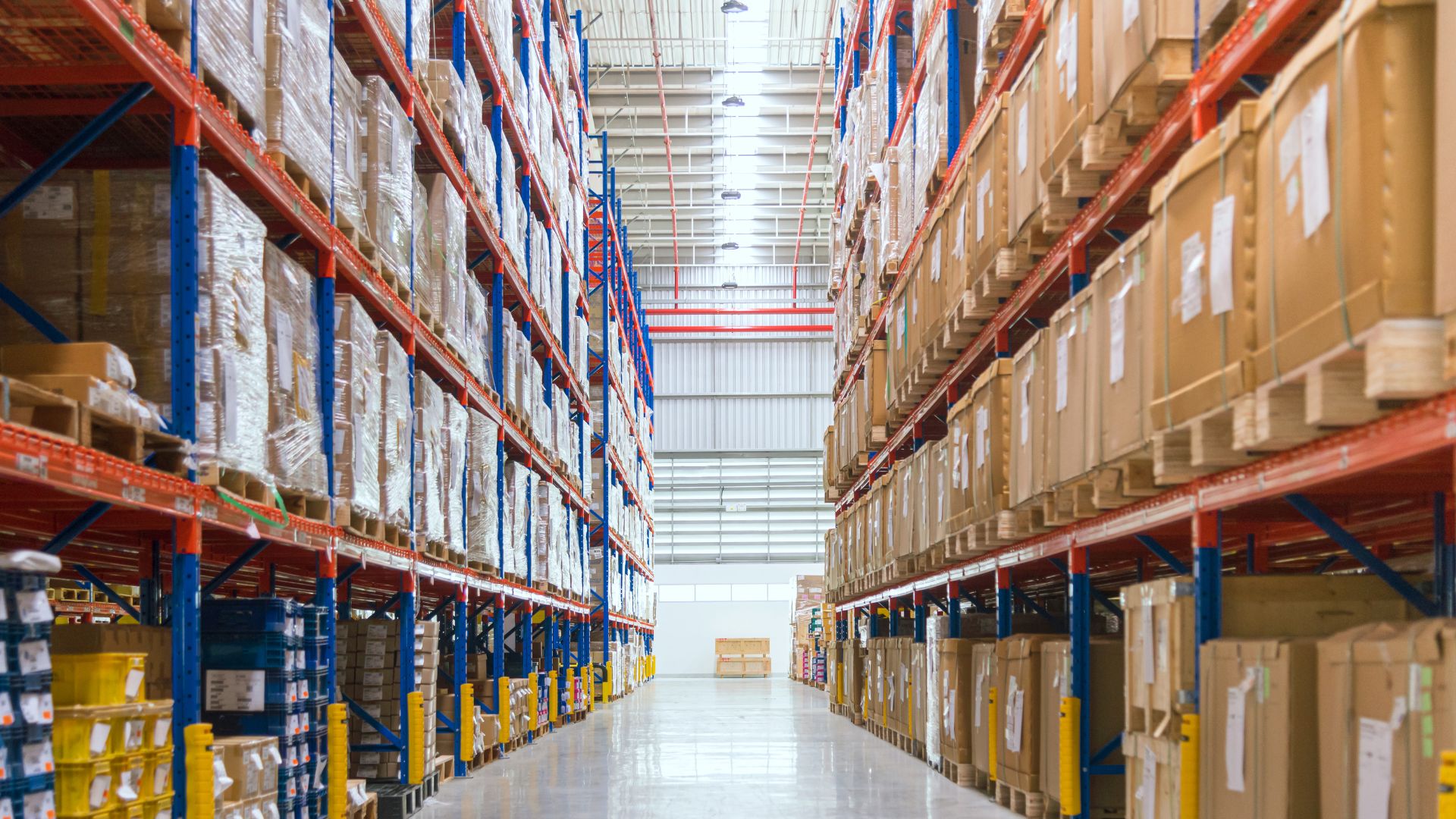
(Inside a Warehouse)
Elastic logistics solves this conundrum by separating capacity and ownership. Long-term warehouse leases, commitment to single carriers, and ownership of large fleets might have indicated strong businesses, but they also prevent the creation of a more dynamic network. Carriers have adopted such a model for some time now, leaning into spot markets, which lets them capture higher margins when capacity is tight. Elastic logistics allows tapping into spot freight markets in real time; enables flexible fulfillment that can be activated or deactivated quickly; and utilizes various labor models to handle surges. Elastic logistics prevents waste; instead of owning empty warehouses and idle trucks, logistics companies ensure that they pay only for what they use.
However, the benefits of adopting such an elastic model across logistics are not singular. For example, warehousing companies traditionally built on long-term, fixed-volume contracts and operating under an elastic model will have to contend with a more volatile, fragmented, and competitive environment. With shorter, more fragmented contracts, warehousing companies may gain flexibility to respond to rapidly changing consumer demand, but will also face a higher risk of fragmented demand or of customers leaving too soon, resulting in equipment and labor remaining idle. But this challenge can be tackled by building a multi-customer network that pools inventory from multiple businesses under one roof, so that fixed costs can be spread and technology can be used more dynamically by holding space and labor for whichever customer is at peak performance. Furthermore, warehousing companies are specializing in specific industries, such as cold chain for the pharma industry or high-velocity warehouses for e-commerce. Through such specialization, they can offer value-intensive services that justify the automation-related investments despite shorter contract terms.
Omnichannel Capabilities in Logistics
Omnichannel as a business strategy originated in the retail industry. However, an increasing number of logistics companies are adopting this revolutionary strategy to restructure their businesses. Omnichannel moves away from simply moving the container to the store; rather, it emerges as a high-tech service that can deliver any item to any person, anywhere, at any time. While it may sound like high fantasy, there are clear steps logistics companies take to achieve this impact.
First and foremost, logistics companies are involved in unified inventory tracking, providing them with real-time, expansive visibility into the cargo, whether it is stored in a warehouse, in the back room of a store, or moving on a truck. This centralized view lets companies ensure that their customers can access cargo at their preferred points. Second, logistics companies are breaking away from centralized hubs, where all the cargo accumulates and is shipped from. Instead, there is growing interest in developing microfulfillment centers, automated warehouses tucked away in urban and suburban areas.
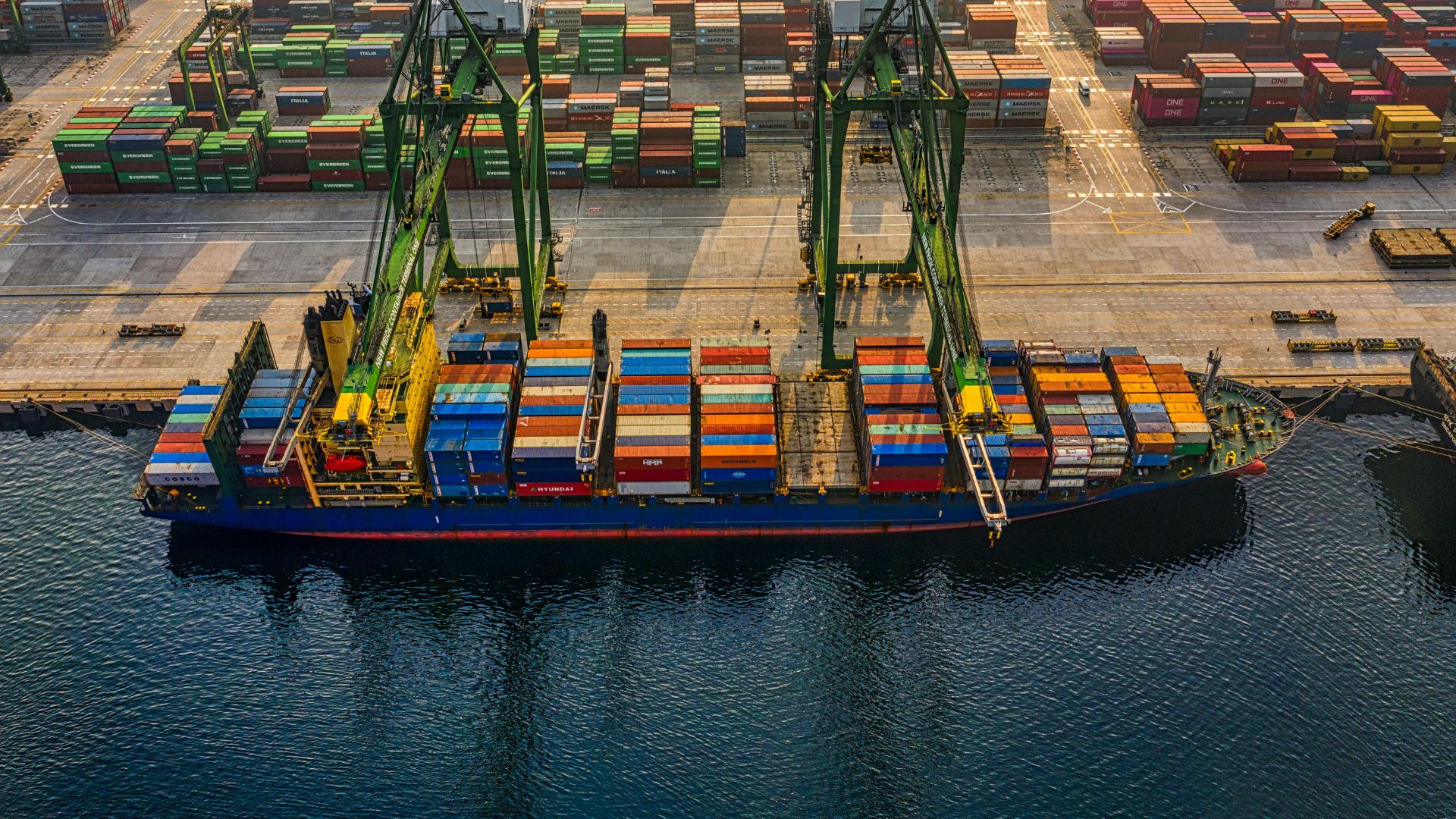
(Container Shipping)
But Omnichannel logistics is significantly more challenging than traditional shipping, because of high frequency, small capacities, and fragmentation. This, in general, can be viewed as strategic decentralization, in which warehouse owners, forwarders, and shipping lines are compelled to become more competitive and flexible because the omnichannel customer no longer waits for a "bulk" delivery. Logistics companies often have to handle fragmented orders that require faster movement between nodes. Nevertheless, many logistics companies consider this a massive financial opportunity, as they can charge more for such complex and specialized transportation, thereby transforming themselves from simple forwarding companies into critical, high-value partners for their customers.
How These Strategies Intersect?
Together, the shift towards an elastic and omnichannel setup creates a strong operational advantage that allows companies to reconfigure their capabilities in response to the changing demands, disruptions, and shifting channels. But these strategies require that supply chain professionals gain proficiency in data literacy and the ability to think in networks. Moreover, these strategies rely on the latest technological tools, such as AI and IoT, as well as Unified Inventory Systems, thereby advancing a company’s digital backbone.
For small and medium-sized logistics companies that often feel the first repercussions of world events, these strategies offer a chance to develop resilience that is both intelligent and adaptive. These strategies also benefit SMEs by enabling them to build networks and share resources. It also gives them the tools to compete with larger enterprises by providing flexibility over fixed assets and digital management over manual coordination. Thus, the supply chain, once defined by desk work and phone calls, is transforming into one of the most consequential sectors to adopt the latest technological developments. These strategies are pushing our industry towards a fundamental paradigm shift in a world that refuses to stabilize, and so, evaluating elasticity and omnichannel within our businesses will enable us to perform faster, serve better, and reduce waste.

.svg)
.svg)


