At the time of writing this piece, a barrage of changing information engulfs us as we grope in the dark for stability, security, and, above all, peace. The ongoing conflict that has swallowed large chunks of the Middle East, with impacts on life, liveability, safety, business, economics, politics, markets, and most immediately supply chains. Since the region holds close to 40% of the world’s total oil reserve, dependent nations are already facing supply chain shocks.
In these dire straits, we find that relying on each other in the industry, finding secure channels to continue our business, and staying abreast with the news helps us stay prepared. In this article, we will briefly examine how the West Asian security crisis is reshaping regional supply chains and the proactive steps forwarders, especially those within our network, have taken to secure supply lines and provide stable service to their clients.
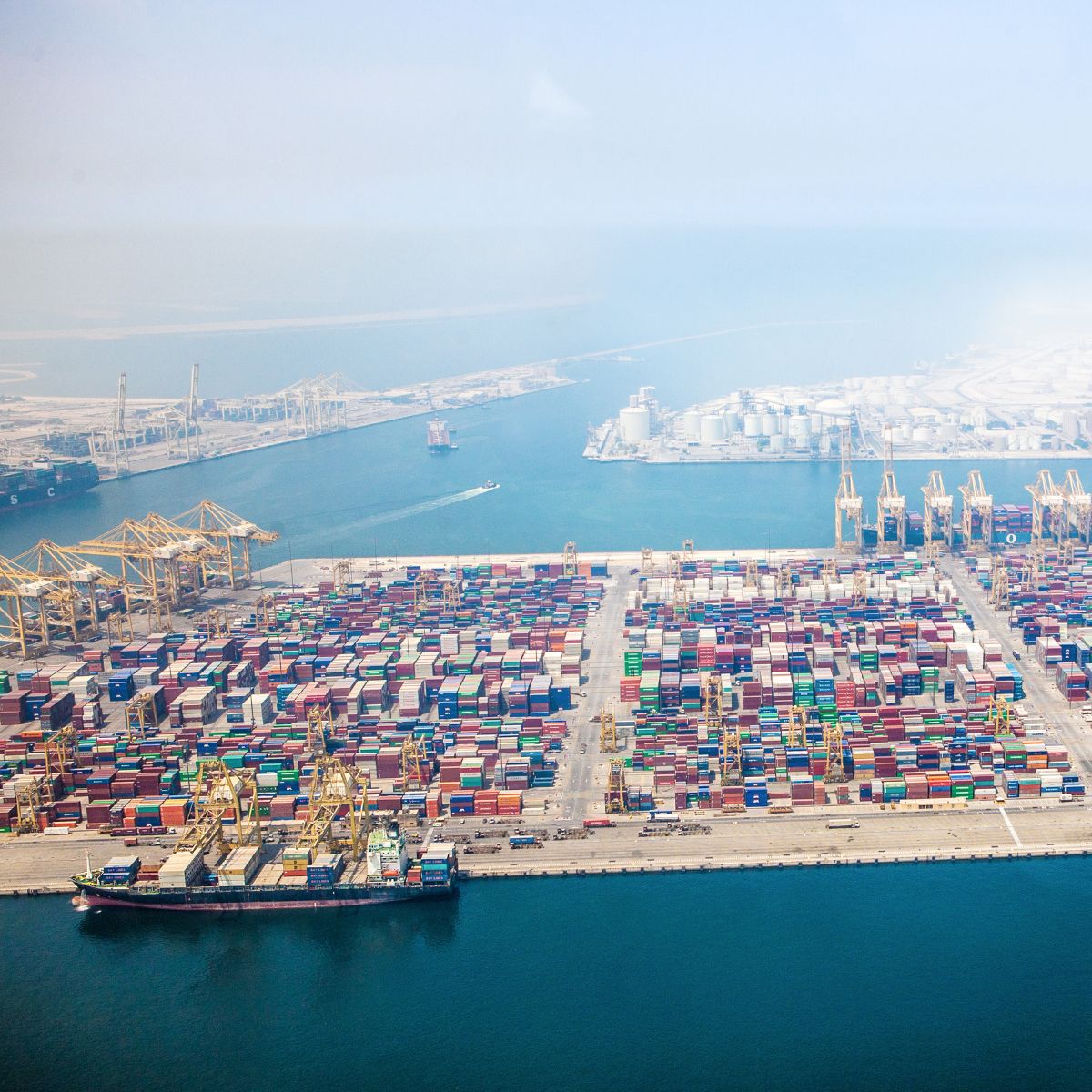
(Jebel Ali Port)
Chokepoints, Delays, and Surcharges
Routes that are generally fixed tend to be susceptible to disruptions, including congestion caused by natural disasters, accidents, or, in this case, man-made conflicts. The Suez Canal has been facing such a challenge for many months now, forcing carriers to route their lines via the Cape, which, although it adds mileage and time, is considered the safest option. Now, as the bombings continue, the Strait of Hormuz has transformed into the latest maritime chokepoint for energy supply lines. Reports indicate that earlier this month, almost 170 vessels were effectively trapped or impacted at the Strait.
As tensions between Iran, Israel, and the US persist, almost 21 ships, including container ships, oil tankers, bulk carriers, and tugboats, have been attacked. Along with the damaged vessels, crew members have also sustained injuries, increasing fears of moving through the region. Millions of dollars have been lost due to defective goods and oil spills, while causing secondary issues of environmental damage. While there is no formal blockade, Iran has closed the Strait to vessels originating from Western-aligned countries. As of now, only Chinese vessels are untargeted in this closure. Moreover, delayed sailing and suspensions are impacting exports from the region.
Dubai, another critical logistics hub and a gateway for cargo between the Middle East, East Africa, and South Asia, has also been affected by the ongoing war. Airports in Dubai and Doha open and shut their airspaces as the precariousness of the conflict increases. Many services face suspension and a 22% decrease in available capacity. As jet fuel prices rise, additional surcharges have been adopted, including war risk surcharges.
What Solutions Can We Find?
Many of NSRN’s members in the region are witnessing these catastrophic situations firsthand and are constantly working to find the safest possible solutions to keep the cargo moving. First and foremost, members have been keeping each other updated on the latest news that could impact their cargo. As an ongoing situation, phones remain buzzing as forwarders and members of our network reach out to one another to inquire whether ports such as Jebel Ali, Port of Salalah*, or airports in Doha and Dubai are operational. Frustration is also on the rise as forwarders receive conflicting information from carriers about changing CODs or, in some troubling cases, about having no COD options. In terms of air freight, Emirates and Etihad Airways are operating at limited capacity to certain critical sectors in Europe and Asia, and Turkish Airlines will soon join their ranks. NSRN members have been closely monitoring the situation and sharing press releases from various ports, terminals, and airports.
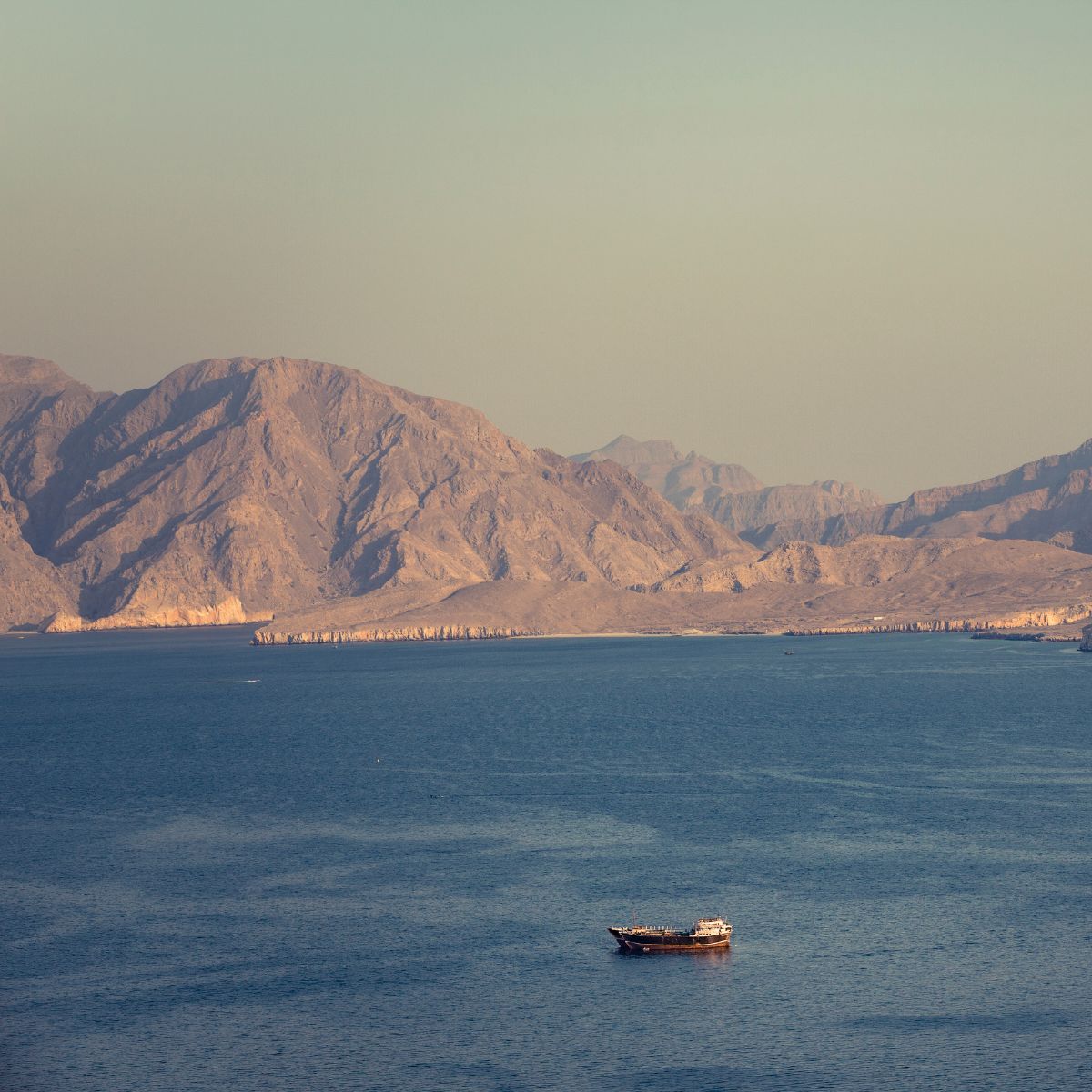
(Close to Strait of Hormuz)
Many are developing alternative routes to move cargo within the GCC and the UAE, relying on ports such as Khor Fakkan and Jeddah, although Khor Fakkan is reportedly processing only imports at the moment. Overland corridors are also being established to more inland ports, such as Dammam, to prevent any cargo flow disruptions. Meanwhile, diversifying carrier options, confirming early bookings, and reanalyzing insurance coverage and contracts are considered safe practices to mitigate uncertainty. Pre-approving alternate routings remains integral, as it will prevent any mid-transport disruptions. For temperature-sensitive cargo, reconsidering the “maximum dwell” time can also be helpful. Furthermore, relying on multimodal alternatives to bypass restricted zones can be useful.
Forwarders, logisticians, crew members, stevedores, pilots, operators, cargo handlers, coordinators, engineers, and every other individual working in the Gulf region's supply chain have demonstrated relentless courage and ingenuity in this challenging situation. The safety and security of these frontline personnel are central to the global supply chain. As we continue to anticipate a restoration of peace in the coming days, it makes us proud to know that NSRN’s members and partners are resilient and remain steadfast.
*Port of Salalah’s operations were closed on March 11th after a drone struck the fuel storage at the port.
- The story was last updated on Monday, 16th of March 2026.

.svg)
.svg)


