Over the last few years, rail has become a critical alternative within multimodal transport. In speaking with New Silk Road Network’s member from Thailand, LEO Global Logistics, we understand how rail infrastructure facilitates supply chains in Southeast Asia. Through our conversation with Wallapa Pothisoontorn, we learn about the vital role rail freight and multimodal transport play in cross-border cargo movement in the region, as well as how LEO Global Logistics and its subsidiary, LaneXang Express, have developed into world-class rail freight service providers, especially on the China-Thailand corridor.
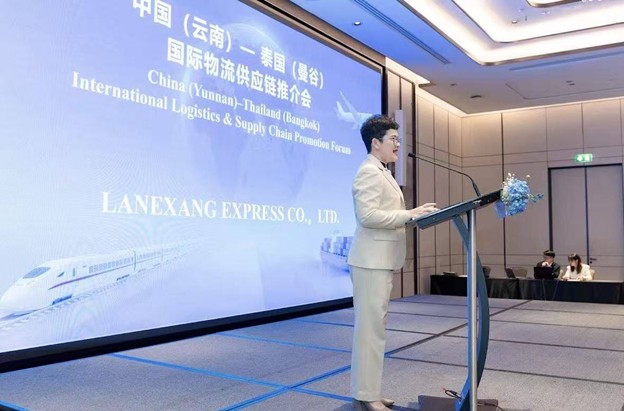
Ms. Pothisoontorn has been with LEO Global Logistics since 1997 and has witnessed the company’s tremendous expansion firsthand. In addition to being the Senior Manager in the LEO Global Logistics Sales Department, she also serves as the General Sales Manager for LEO Global’s subsidiary, LaneXang Express. In the interview, she shares valuable insights on Southeast Asia's leveraging of the Belt and Road infrastructure while effectively managing remaining logistical gaps.
Q1: Established in 1991, LEO Global Logistics has robust competencies and continues to grow through recent ventures such as ‘LEO COLDBOTIC’. Tell us more about this cutting-edge warehousing facility and the motivation behind this investment. Moreover, how does LEO set itself apart from other logistics companies in a competitive market, such as Thailand?
Wallapa: LEO Global Logistics has built over 36 years of experience in international logistics since its establishment in 1991. This long-standing presence provides us with a solid foundation and deep insight into global trade flows and cross-border operations, enabling us to cater to the evolving needs of our customers across industries. That said, we do not view longevity alone as a competitive advantage. For our management team, the focus has always been on how the organization continues to bolster its capabilities.
(Picture Credit: LEO Global Logistics)
Over the past five years, we have deliberately expanded beyond traditional freight forwarding into a broader range of non-freight logistics services, aiming to build a more resilient, future-ready organization. This approach includes investments in logistics infrastructure, such as LEO COLDBOTIC, as well as the development of several subsidiary companies serving highly specialized markets. It is a state-of-the-art Shuttle Automatic warehouse and a bonded cold chain logistics center with a total area of 2000 m². The warehouse is equipped with Inventory Control systems and a Data Network Flow, which enables real-time connectivity between customers and the warehouse. Also, a very special feature of the warehouse is the in-house wine cellar and wine tasting room, which allow for immediate presentation of the wine. One example is LaneXang Express, which focuses on rail-based logistics solutions across regional and international corridors. We believe that this emphasis on capability development—rather than relying solely on scale or years of operation—is a key factor that differentiates LEO from conventional freight forwarders and keeps us competitive in today’s logistics market.
Q2: LEO Global Logistics also has a wide reach within Southeast Asia. What, in your view, are the complexities surrounding cross-border transport that forwarders often overlook? Also, what are some opportunities and challenges in freight forwarding in Southeast Asia?
Wallapa: Cross-border transportation in Southeast Asia is often more complex than it appears. Beyond physical distance, operators must navigate different regulatory frameworks, customs procedures, infrastructure readiness, and local operating practices in each country. These factors can pose significant challenges if not fully understood and managed as part of an end-to-end process. Many forwarders tend to focus on transit time and pricing, while overlooking how small gaps in documentation, customs interpretation, or coordination issues at border crossings can quickly lead to delays and hidden costs. This is particularly relevant in Southeast Asia, where operational conditions vary widely across markets.
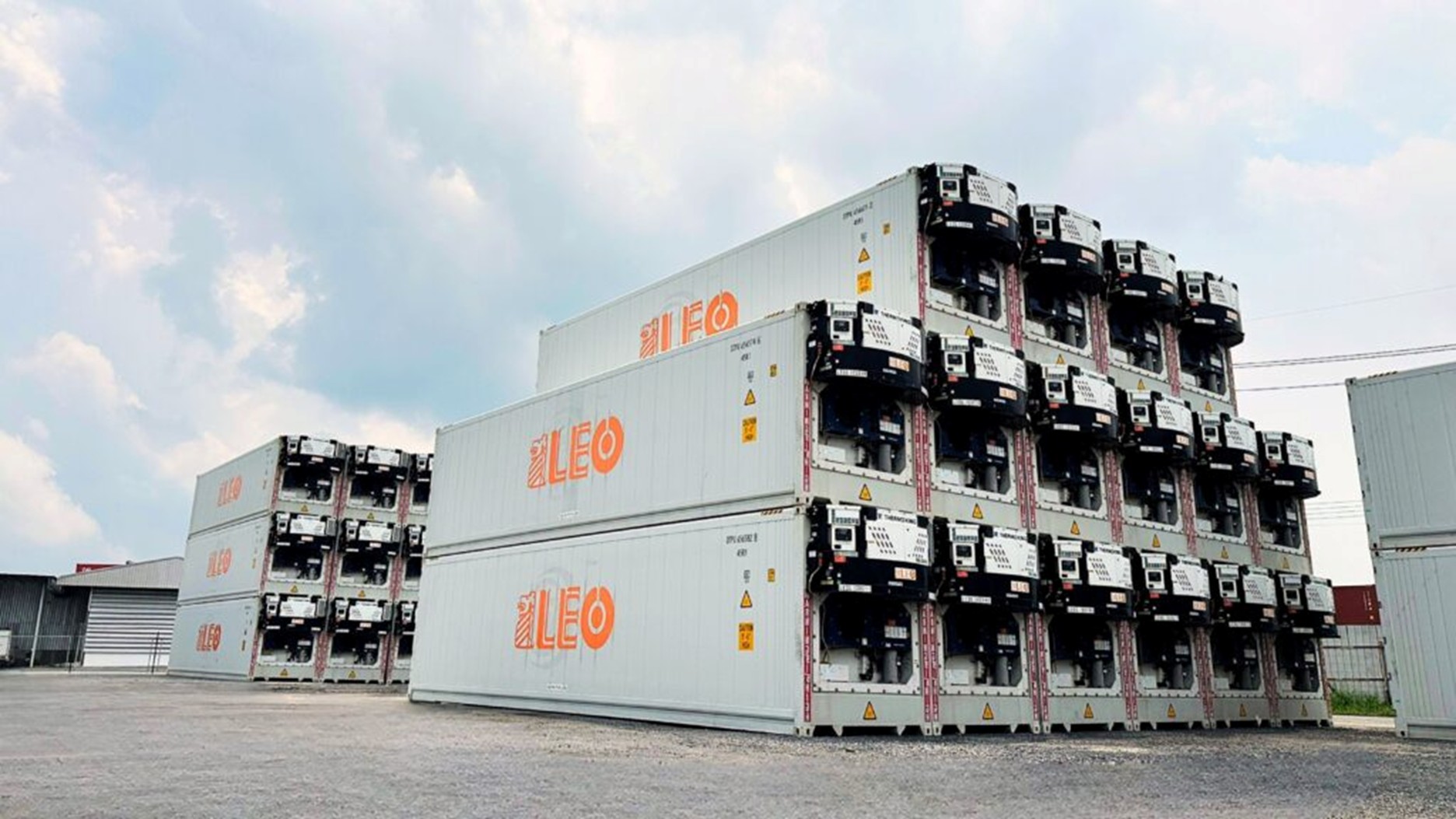
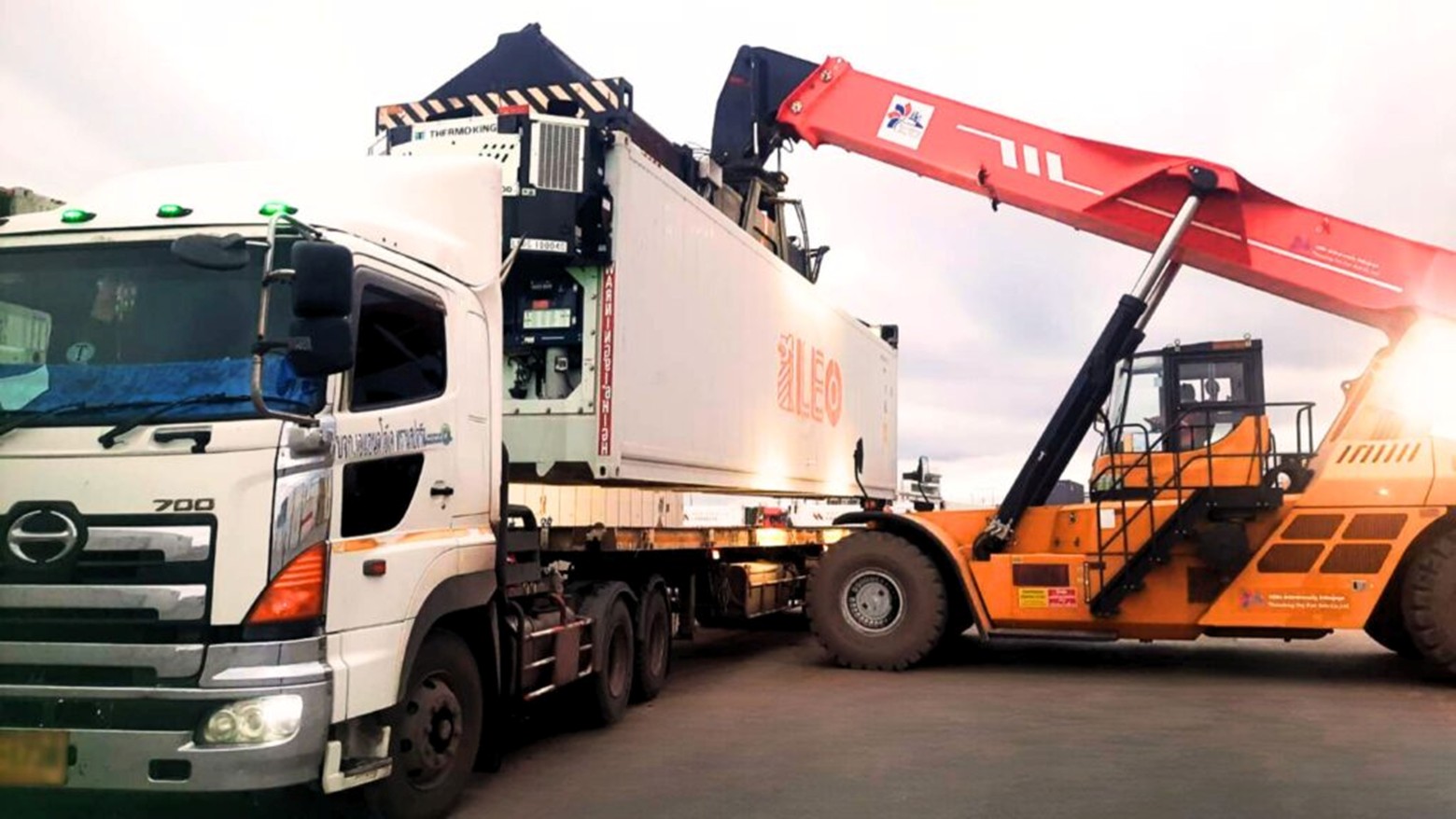
At the same time, the region offers strong growth opportunities driven by supply chain diversification, rising intra-regional trade, and increasing demand for temperature-controlled logistics. Over the past two years, we have completed more than 200 rail shipments of fresh produce and frozen seafood using our own temperature-controlled container fleet, supported by real-time technology that enables us to monitor cargo conditions and container status throughout the journey. Moreover, our focus on operational visibility and process design enables us to manage cross-border complexity more effectively and deliver greater predictability and reliability to customers.
Q3: The Belt and Road Initiative made significant investments in the China-Laos rail line, which adds approximately 609 km to Thailand, and in the Hanoi-Nanning line connecting China and Vietnam. What rail freight capabilities do you think these projects will fulfill, and as of now, what is the real-world progress that you have been able to leverage?
Wallapa: As rail connectivity developed under the Belt and Road Initiative, particularly routes linking China with Laos, Vietnam, and neighboring countries through Thailand, it has added an important new dimension to regional logistics. It’s interesting to see how rail has evolved from a policy concept into a practical transport option that complements road, air, and sea freight.
(Wallapa Pothisoontorn Picture Credit: LEO Global Logistics)
In operational terms, we see that rail offers greater stability in transit times and is well-suited for time-sensitive, temperature-controlled cargo. However, infrastructure alone is not enough. The real value of rail logistics depends on how effectively these networks are integrated into cross-border operations and supported by strong coordination across multiple stakeholders.
Through LaneXang Express, we work with more than ten rail platforms in China and regional partners to extend rail services beyond a single corridor. Today, our operations include routes such as China–Thailand, Russia–Thailand, China–Malaysia, Thailand–Poland, Vietnam–Croatia, and so on. These experiences demonstrate that rail delivers the greatest value when combined with local expertise, clear operational frameworks, and seamless multimodal integration.
Q4: As we are close to completing the first month of 2026, what are some reflections on the logistics market that you have gathered from last year, and what opportunities do you expect from this year?
Wallapa: Over the past year, the logistics industry has continued to face volatility driven by cost pressures, geopolitical uncertainty, and changing customer expectations. These conditions have reinforced an important shift in the market: customers are increasingly seeking partners who can provide stability, transparency, and long-term support for their supply chains, rather than mere transportation services. As we enter 2026, we see clear opportunities emerging from the continued growth of multimodal transport, particularly rail-based solutions, alongside rising demand for cold chain services and more sustainable logistics practices.
(Picture Credit: LEO Global Logistics)
Since the beginning of this year, we have experienced steady customer confidence, with rail volumes growing consistently even as some market segments remain under pressure. In several cases, customers have already confirmed full-year shipment volumes, reflecting trust in the reliability and predictability of rail-based logistics solutions. Looking ahead, our focus is on quality-driven growth, and by continuing to invest in systems, technology, and people, we aim not only to respond to market changes but also to help shape the future development of logistics in the region.

.svg)
.svg)


