A sense of deja vu prevails within the global supply chain, as logistics companies face one of the biggest fuel shortages since the 1973 oil crisis. The current shortage is widely considered the largest supply disruption in history, surpassing the shocks of the 1970s. While in the 1970s the OPEC embargo removed 4.5 to 5 million barrels per day from global supply, constituting roughly 7 percent of global supply at the time, in the present crisis, over 20 million barrels per day have been halted, accounting for nearly one-fifth of global fuel consumption.
In this article, we examine how the ongoing war has caused a fuel crisis that has burdened the logistics and supply chain industry. Furthermore, we assess the significant steps that forwarders and logistics companies are considering to safeguard their businesses, as well as the expected impacts in the months to come.
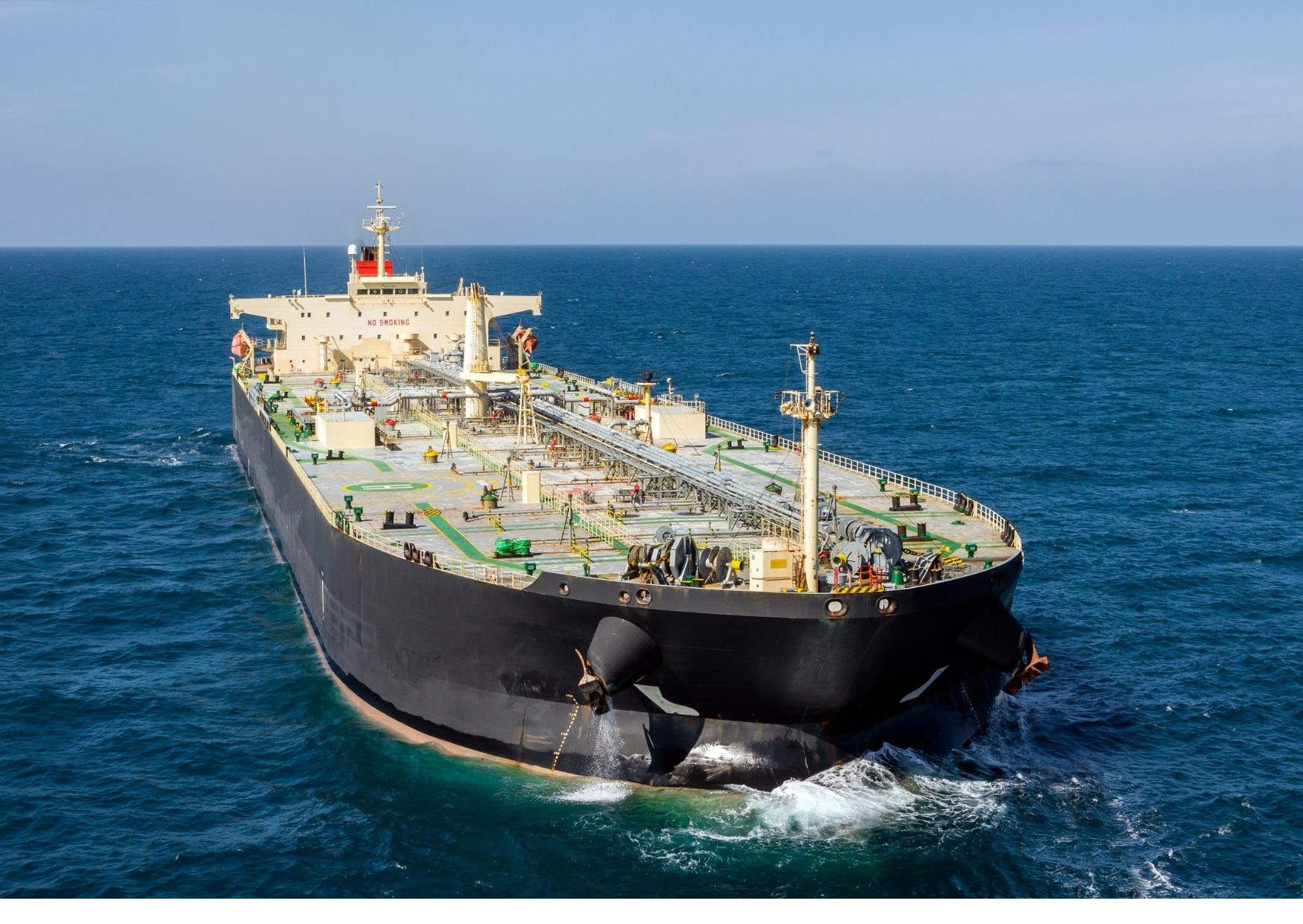
(Large Oil Tanker)
What’s causing the fuel crisis?
The ongoing global energy and economic crisis, as a result of the 2026 US-Israel war with Iran and the subsequent blockade of the Strait of Hormuz, has deeply curtailed the flow of fuel from the region. Over 40 energy assets in the Gulf region have been severely damaged, meaning that even an end to the conflict will not instantaneously restore energy supply. The closure of the Strait also forced production shutdowns, with major producers in Iraq, Saudi Arabia, Kuwait, and the UAE halting production due to limited export routes for crude oil. Ironically, at the beginning of the year, there was a surplus in the global oil market, but recent strikes have upended the trend, resulting in heightened anxieties.
On the 8th of April 2026, a two-week ceasefire was announced between the warring nations, bringing a respite for many carriers. But experts warn against expecting normal conditions, saying that this would be impossible. While crude oil may recover fastest, jet fuel production will take months to return to normal. LNG facilities, such as Qatar’s Ras Laffan gas facility, were severely damaged and may take months to return to pre-conflict output levels. There is also an expectation that oil prices will soon fall after recently reaching $113 per barrel. Amid a constant stream of disruptions, the logistics industry is also recalibrating to systemic volatility and preparing for these “predictable turbulences.”
Fuel prices and freight costs
One of the primary drivers of freight costs and a critical variable across all modes of transportation is fuel. During the current crisis, fuel's impact on logistics budgets is marked by record-high-cost shares. For road transportation, fuel typically accounts for 30% of total operating costs, and following the March 2026 crisis, this share has risen sharply to 50%. With the closure of the Strait of Hormuz, which channels 20% of the global oil supply, marine fuel prices have reached an all-time high. Large carriers have also pushed surcharges, such as the non-refundable Emergency Bunker Surcharges (EBS). In response to the crisis, ocean freight has also pushed away from long-term fixed rates and moved towards weekly adjustments to the Bunker Adjustment Factor (BAF), forcing shippers to accommodate high-budget flexibility.
Apart from land and sea, air freight has noticeably suffered as a result of these disruptions. Initially, container shipping bore the brunt of the pressure after the Strait closed, but air freight is now beginning to feel the knockout effects as well. Many refineries in the Gulf region that were hit by the drone strikes were major producers of jet fuel, and this localized damage has resulted in shortages. Limited jet fuel availability has dominated major airlines' decisions, leading to flight cancellations and capacity reductions. Jet fuel prices have essentially more than doubled since the crisis began, and in response, carriers are levying surcharges. There is also a rather peculiar disconnect between demand and pricing: despite relatively low cargo volumes, freight rates have been steep, meaning operational pressures have been driving costs more than demand. Nevertheless, even with the surmounting challenges, forwarders around the globe have found ways to tackle these cost-intensive pressures.
What can we anticipate?
As mentioned, despite a ceasefire, an expectation of normalcy remains elusive. Assuming the conflict ends after the ceasefire, experts predict that oil production and exports can return to normal by late 2026. With regard to pricing, persistent geopolitical precarity in the region will keep prices above pre-war levels but below the current $113 per barrel. These events will also promote a historical transformation comparable to the 1973 oil shock. For example, there will be a push towards energy transition, nearshoring, and source diversification (many countries reliant on Gulf oil have already begun seeking alternative sources). Finally, economies will have to confront structural inflation caused by a series of long-term disruptions.
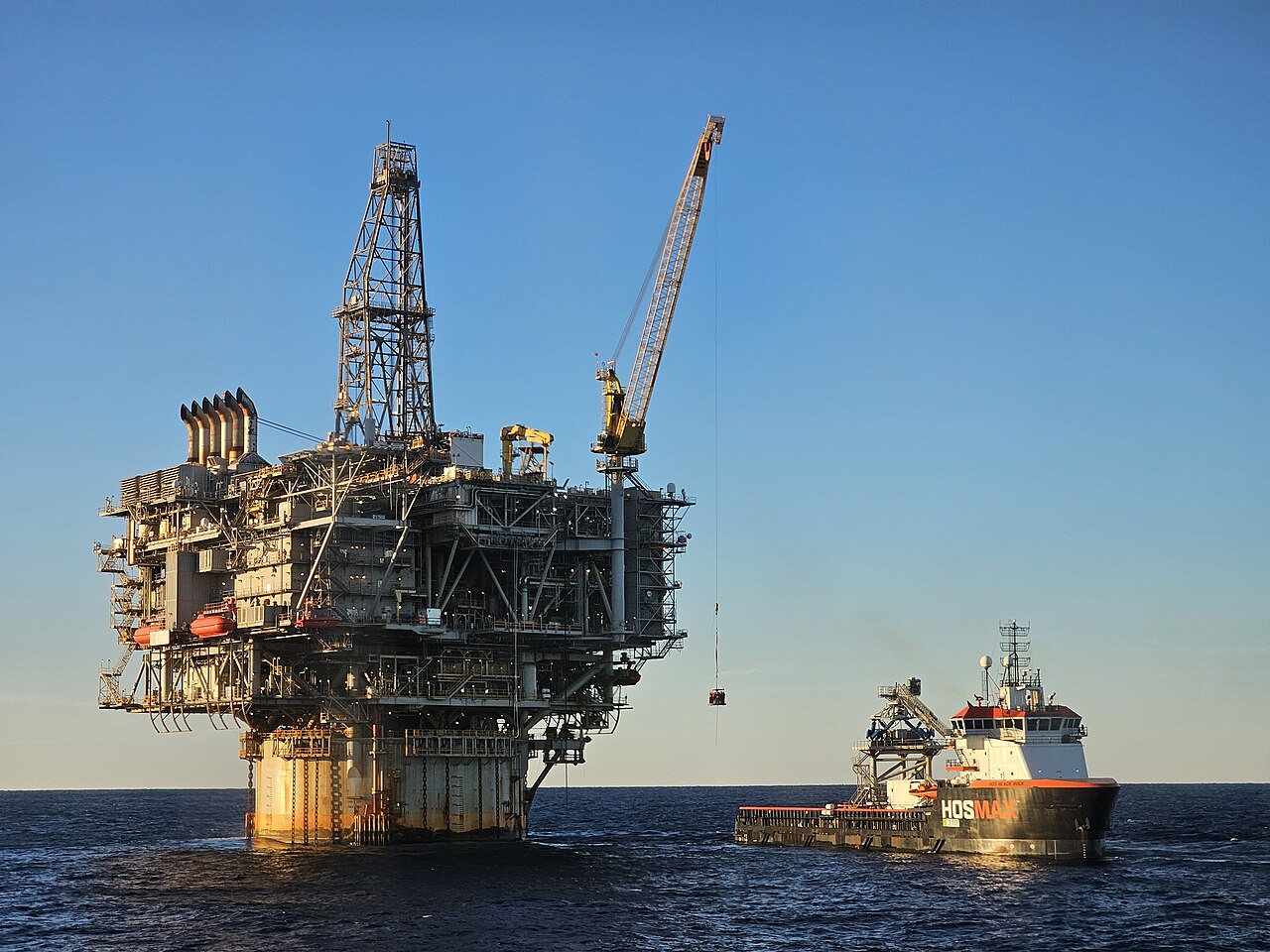
(Off-Shore Oil Rig)
For the supply chain industry, hub congestions, chokepoints, and route diversions have become the new normal. Despite the precarity, forwarders and the supply chain industry as a whole have adopted practices to protect margins and regulate volatility. Modal shifts, that is, a reliance on different transportation options (such as rail), have benefited forwarders during precarity. As a long-term solution, trucking companies have begun investing in fleet electrification to offset high diesel prices and in alternative fuels such as methanol and clean hydrogen. Simultaneously, many trucking companies have also focused on contractual flexibility, especially as the markets continue to tighten. At a functional level, forwarders understand that higher costs are being incurred and know that in the coming months, the severity of these price hikes will have an even stronger impact on the industry. Ultimately, supply chains were the first to feel the repercussions at the outset of the war, and they continue to navigate an uncertain environment while bracing for the future.

.svg)
.svg)


